
Spring Into Action With Local Contractors for Turf Repairs
Spring is the perfect time to restore and enhance your artificial turf with trusted local contractors dedicated to seamless repairs and lasting results.
Spring is a popular season for artificial turf repair because it marks a time of renewal and freshening up outdoor spaces. As the weather warms and outdoor activities increase, property owners often evaluate their lawns and landscapes to ensure they look their best. Over time, wear and tear from foot traffic, weather conditions, or improper installation can lead to areas of damage or uneven surfaces. Addressing these issues in spring allows homeowners and property managers to enjoy a revitalized outdoor area throughout the upcoming months, making it an ideal time to consider turf repairs or maintenance.
Typically, artificial turf repair services cover a range of common issues, including patching damaged sections, leveling uneven surfaces, replacing worn-out areas, or fixing seams and edges. Service providers may also address problems caused by pet activity, staining, or fading, helping to restore the turf’s appearance and functionality. Many local contractors use specialized tools and materials to ensure repairs blend seamlessly with existing turf, maintaining a natural look and durability. Proper repair work not only improves the visual appeal but also extends the lifespan of the turf, making it a practical step for property owners seeking long-term value.
When comparing local options for artificial turf repair, property owners should consider the experience and reputation of service providers in the area. It’s helpful to look for contractors who have a history of working with artificial turf and can provide detailed information about their repair techniques. Asking for references or viewing examples of previous work can also aid in assessing quality. Additionally, understanding the scope of services offered and the types of turf materials used can help property owners make informed decisions. Consulting multiple local contractors allows for comparison of approaches and ensures the selection of a provider that best meets the needs and expectations for maintaining a well-kept outdoor space.
Compare local contractors' experience and services to plan your spring artificial turf repair project effectively.
- Assessing Damage - Local contractors can evaluate your artificial turf to identify areas needing repair or replacement.
- Surface Leveling - Service providers can restore evenness and proper drainage by repairing uneven patches.
- Seam and Edge Repairs - Professionals can reattach or reinforce seams and edges to prevent further damage.
- Cleaning and Maintenance - Local pros offer cleaning solutions to prolong turf life and improve appearance during spring.
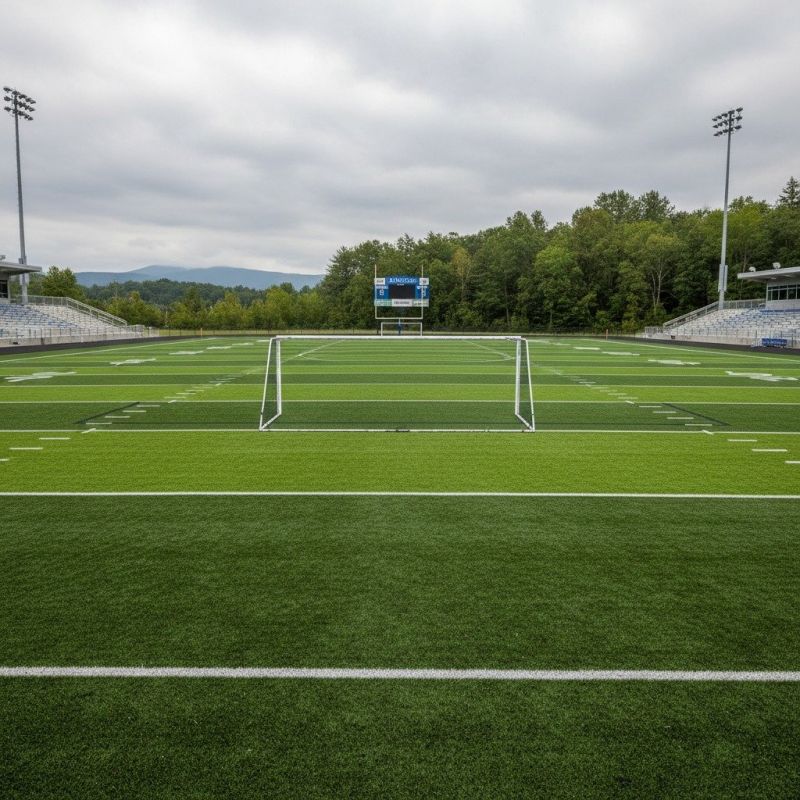
Before comparing options, clearly describe your artificial turf repair project to help local service providers recommend the best solutions.
- Inspect for surface damage or uneven areas that may need leveling or patching. - Local contractors can evaluate the turf for tears, holes, or worn spots that require repair.
- Check for loose or lifted edges that could cause tripping hazards or further damage. - Service providers can re-secure or reseat edges to maintain a smooth, safe surface.
- Look for areas with embedded debris, weeds, or moss that can affect the turf’s appearance and durability. - Local pros can remove debris and treat the surface to prevent future growth.
- Examine infill levels to ensure proper support and cushioning are maintained. - Contractors can top up or redistribute infill material as needed for optimal performance.
- Identify any fading or discoloration that may indicate the need for cleaning or rejuvenation. - Service providers can perform cleaning or restorative treatments to refresh the turf’s appearance.
- Assess drainage patterns to prevent pooling or water accumulation after rain. - Local specialists can evaluate and improve drainage to ensure proper runoff and prevent damage.
Use this as inspiration to explore how local contractors can help refresh your artificial turf this spring.
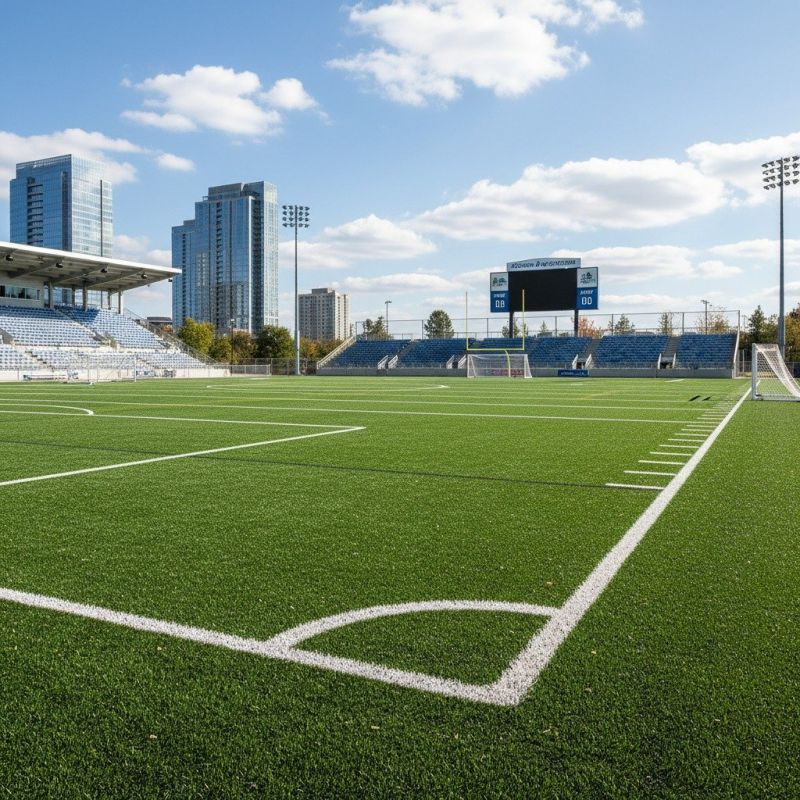
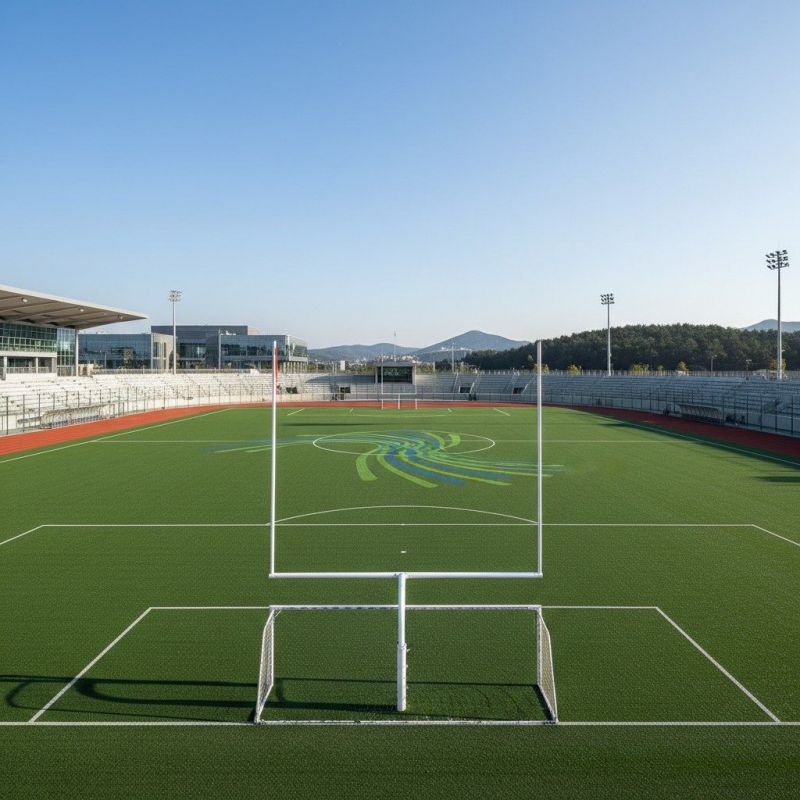
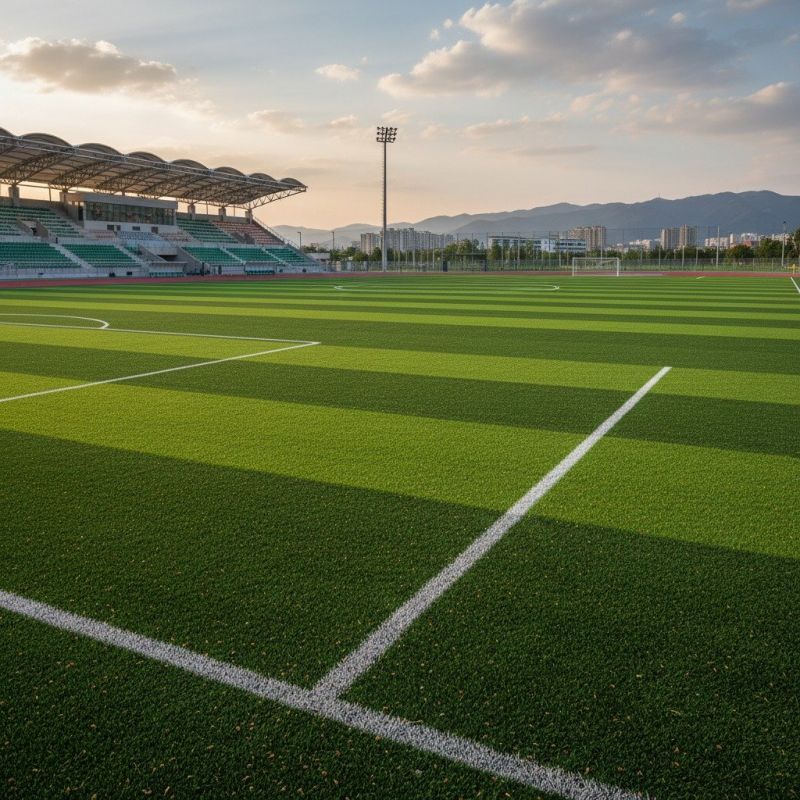
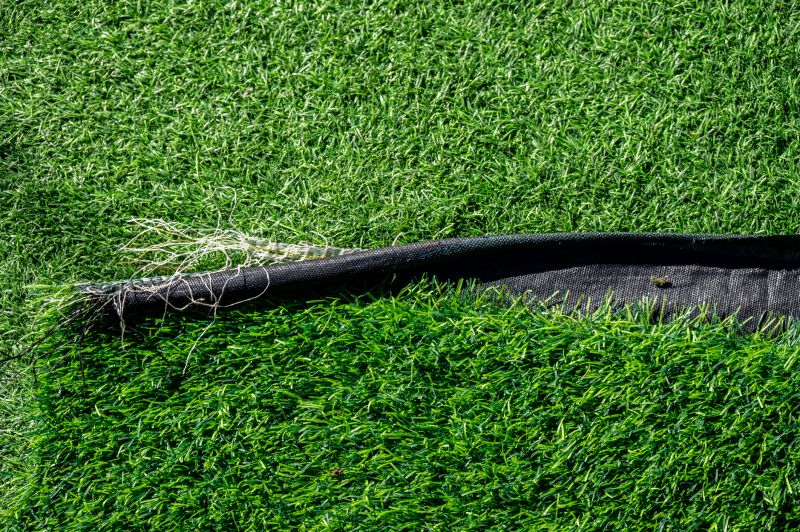
Prioritize your spring repair goals and compare local contractors to find the best fit for your turf restoration needs.
- Assessing and repairing damaged areas - spring is a common time to evaluate turf for wear and tear, with local contractors able to handle patching or replacing sections as needed.
- Leveling uneven surfaces - restoring a smooth, even appearance after winter can involve regrading and securing loose turf, tasks handled by experienced service providers.
- Seam and edge repairs - fixing seams or edges that have shifted or come apart over winter helps maintain a cohesive look, with local experts providing professional solutions.
- Cleaning and grooming the turf - spring cleaning can improve the appearance of artificial grass, with service providers offering brushing and debris removal services.
- Addressing drainage issues - ensuring proper water runoff and fixing drainage problems can prevent future damage, with local contractors equipped to improve turf stability and longevity.
Compare local contractors' expertise and methods to ensure consistent quality across artificial turf repair options this spring.
- Assessment of Damage - Identify areas of the turf that are worn, torn, or uneven to determine repair needs.
- Material Compatibility - Ensure replacement materials match the existing turf in type, color, and pile height for seamless repairs.
- Surface Preparation - Prepare the damaged area by cleaning, removing debris, and leveling the surface for proper adhesion.
- Repair Techniques - Select appropriate repair methods such as patching, seam joining, or infill replacement based on the damage.
- Finishing and Inspection - Complete repairs by securing seams and infill, then inspect for uniform appearance and stability.
When selecting service providers for artificial turf repair during the spring season, it’s important to consider their experience with similar projects. Homeowners should inquire about the number of turf repairs or installations a contractor has completed, especially those involving issues like uneven surfaces, tears, or drainage problems. A contractor with a history of handling projects comparable in scope and complexity can offer insights into potential challenges and effective solutions, helping to ensure the repair work meets expectations.
Clear communication about the project scope is essential for evaluating different options. Homeowners should seek contractors who can provide detailed explanations of what the repair process entails, including the specific steps involved, materials used, and any necessary site preparations. A well-defined scope helps prevent misunderstandings and allows for better comparison between service providers based on their approach and level of detail.
Work planning considerations are also key when comparing local contractors. It’s helpful to understand how each pro plans to approach the repair, including timelines, sequencing of tasks, and coordination with other landscape elements. Asking about their process for assessing the site, preparing the area, and ensuring proper installation can reveal how thoroughly they plan their work. This information can assist homeowners in choosing a provider who demonstrates a thoughtful and organized approach to completing the project efficiently.
Evaluating options without focusing on prices involves examining how service providers communicate, their level of professionalism, and the quality of their previous work. Homeowners should consider the clarity of the written scope, the professionalism of their proposals, and their responsiveness to questions. Additionally, reviewing portfolios or seeking references can provide insights into the contractor’s reliability and craftsmanship. Comparing these aspects helps in selecting a contractor who aligns with the homeowner’s project needs and expectations.
Request written details to ensure the scope of your spring artificial turf repair matches your seasonal planning needs.
- Identifying Repair Scope - What types of damages or wear should be clarified when discussing artificial turf repair with local contractors?
- Material Compatibility - How do local service providers ensure replacement materials match existing turf for seamless repairs?
- Repair Techniques - What repair methods do local contractors typically use to restore artificial turf effectively?
- Service Provider Comparison - How can homeowners compare local contractors to find the best expertise for spring turf repairs?
- Scope Definition - What specific repair services should be outlined to ensure a comprehensive artificial turf restoration?
What causes artificial turf to need repairs? Common causes include heavy foot traffic, pet damage, UV exposure, and uneven settling, which can lead to bald spots, tears, or loose seams requiring attention.
How can I tell if my artificial turf needs repair? Signs include visible tears, flattened areas, loose edges, or areas where the turf no longer stays in place, indicating that professional repair may be needed.
What types of repairs do local contractors typically perform on artificial turf? They often handle seam repairs, patching damaged sections, fixing infill issues, and re-secure loose edges to restore a smooth, even surface.
Is it possible to repair artificial turf without replacing the entire area? Yes, most repairs focus on specific damaged sections or seams, allowing for effective restoration without full replacement.
What are the benefits of professional artificial turf repair during spring? Spring repairs can help prepare the turf for the season’s outdoor activities, ensuring a safe and attractive surface for family and pets.
How do local service providers ensure quality artificial turf repairs? They evaluate the damage, use appropriate repair techniques, and employ quality materials to help extend the life and appearance of the turf.
Spring is an ideal time to address artificial turf repairs, helping to refresh outdoor spaces for the season ahead. Visitors have learned about common issues that can affect turf performance and the importance of professional repairs to restore its appearance and functionality. To explore options and find experienced local contractors capable of handling turf repairs, using the quote form can provide a helpful way to compare nearby service providers and find the right fit for specific needs.
Getting connected with local contractors through the quote form allows for easy comparison of available services for artificial turf repair. This approach can help identify trusted professionals who understand the unique requirements of turf maintenance and repair, making it easier to plan for a smooth, successful project. Taking this step ensures access to knowledgeable local service providers ready to assist with springtime turf refreshes.
Providing clear details about your artificial turf repair needs helps local contractors understand your project and connect you with suitable service providers.
- Extent of Damage - details about the size and severity of the turf damage needing repair.
- Current Turf Condition - information on the existing condition and age of the artificial turf.
- Preferred Repair Methods - insights into the type of repair or replacement services needed.
- Location Details - specific information about the area where the turf repair is required.